
The role of luck versus skill in casino gaming

- আপডেট সময় : ০৯:০২:৫১ অপরাহ্ন, বুধবার, ২৬ অগাস্ট ২০২৬ ৪ বার পড়া হয়েছে

The Nature of Casino Games
Casino gaming encompasses a rich tapestry of games that attract players with the promise of excitement and various rewards. The spectrum includes popular games such as slot machines, poker, blackjack, and roulette, each offering distinct mechanics and appeals. Understanding the nature of these games is essential in the ongoing debate about the roles of luck and skill, especially when considering the best fast withdrawal casino options available today. Some games are predominantly based on chance, while others rely heavily on strategic thinking and player expertise, influencing players’ experiences and outcomes.
For instance, slot machines primarily depend on chance, with results determined by random number generators. Players have no influence over the outcome, leading to wins that are purely a matter of luck. In stark contrast, games like poker require players to possess a deep understanding of probabilities, psychology, and strategic play. In poker, players must analyze their opponents’ behaviors, making skill a central component of their success. This fundamental difference illustrates how the balance of luck and skill varies across different gaming options, shaping the overall gaming experience.
Moreover, many players often overestimate their ability to influence outcomes in games of chance. This misconception can lead to poor decision-making and unfortunate financial consequences. Conversely, skilled players in games requiring strategy can leverage their expertise to gain an advantage over less experienced opponents. Recognizing which games necessitate skill and which depend solely on luck is crucial for players to make informed choices and enhance their chances of success in the casino setting.
Luck in Casino Gaming
Luck is widely regarded as a fundamental aspect of casino gaming, especially in games such as slot machines and roulette. Players entering these games often rely on chance to determine their outcomes, embracing the thrill of unpredictability. The inherent randomness in these games creates an environment of excitement, where even a small wager can yield significant winnings. This allure of luck captivates many individuals, as it offers the potential for life-changing payouts with minimal investment.
Despite the excitement that luck brings, it is essential for players to recognize its limitations. Relying solely on luck can lead to a cycle of chasing losses, where players continue to gamble in hopes of recouping their investments. This mentality can quickly spiral into irresponsible gaming habits and significant financial troubles. Therefore, understanding that luck is a major factor in many casino games can help players approach their gaming experiences with a healthier mindset and more realistic expectations.

Additionally, casino operators are keenly aware of the role that luck plays in attracting players. Marketing strategies often emphasize big wins and testimonials from fortunate players, crafting an enticing narrative that draws in novice gamblers. However, it is crucial for individuals to understand that while luck may influence short-term victories, it is ultimately the house edge that ensures casinos maintain profitability over time. This awareness encourages players to engage more responsibly with games of chance, balancing the thrill of luck with mindful gaming practices.
Skill in Casino Gaming
While many casino games hinge on luck, skill plays a significant role, particularly in strategic games like poker and blackjack. Players who dedicate time to mastering the nuances of these games can greatly enhance their chances of winning. For example, understanding card values in blackjack or mastering betting strategies in poker can elevate a player’s performance and lead to more consistent success. Skilled players often possess a comprehensive understanding of odds, probabilities, and game theory, granting them an edge over less experienced opponents.
Furthermore, experience in these games fosters a deeper appreciation for the psychological aspects involved. In poker, for instance, players must gauge their opponents’ behavior and adjust their strategies accordingly. This level of insight and adaptability requires not only practice but also a commitment to honing one’s skills over time. As players become more adept, they are likely to find that skill can significantly outweigh luck, especially in the long run.
Moreover, skill can help mitigate the inherent risks associated with gambling. Proficient players use their knowledge to make informed decisions about betting, recognizing when to fold or raise based on the circumstances. By honing their skills, individuals can engage in responsible gaming practices, reducing the likelihood of impulsive decisions driven by fleeting streaks of luck. Through skillful play, players can manage their bankrolls more effectively, leading to a more enjoyable and sustainable gaming experience.
The Balance of Luck and Skill
The interplay of luck and skill in casino gaming creates a dynamic environment for players. In many games, luck acts as an equalizer, allowing even novice gamblers to compete against seasoned players. This phenomenon is particularly evident in tournaments, where skilled players may find themselves eliminated due to a few fortunate hands from less experienced opponents. This unpredictability is a key factor that keeps players returning to casinos, drawn by the possibility of overcoming odds through sheer fortune.
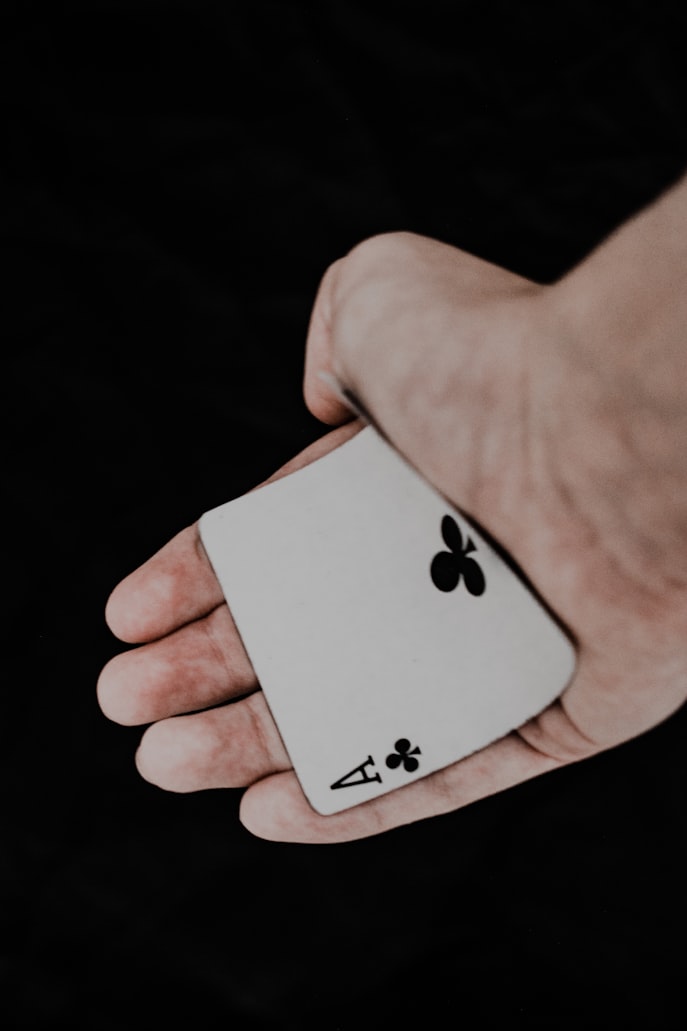
Conversely, games that require skill provide a platform for experienced players to shine. This is especially true in competitive settings like poker tournaments, where the structure rewards consistent skill and strategy over the long term. In these scenarios, while luck may influence individual hands, the overall outcomes tend to favor those who understand the intricacies of the game. This balance between luck and skill ensures that both elements maintain their significance in the world of casino gaming.
Ultimately, understanding the relationship between luck and skill can empower players to approach casino gaming with a more informed perspective. By recognizing the elements of chance in their chosen games, players can savor the thrill of gaming while remaining aware of their own abilities and limitations. This balanced viewpoint can foster a more responsible and enjoyable gaming experience, enhancing overall satisfaction with casino gaming.
The Importance of Responsible Gaming
As players engage in casino gaming, prioritizing responsible practices is essential. A clear understanding of the roles of luck and skill helps players maintain a balanced approach to gambling. However, many individuals may become swept up in the excitement, leading to impulsive decisions. Acknowledging the importance of setting limits on time and spending can significantly mitigate the risks associated with excessive gambling. Such practices ensure that individuals can enjoy casino gaming without jeopardizing their financial health or mental well-being.
In addition to establishing limits, players should actively seek to educate themselves about the games they participate in. Familiarizing oneself with game strategies, odds, and risks allows players to make informed decisions that can enhance their experience and potentially improve their success rates. As players gain knowledge, they develop a more nuanced understanding of the balance between luck and skill, which ultimately leads to more enjoyable and responsible gaming sessions.
Moreover, various organizations and resources are available to support individuals in their journey toward responsible gaming. Whether through self-exclusion programs, counseling services, or educational materials, players can find the tools that encourage responsible practices and promote healthier gambling habits. By prioritizing responsibility, individuals can relish the thrill of casino gaming while minimizing the negative consequences often associated with gambling.
নিউজটি শেয়ার করুন
আপলোডকারীর তথ্য
